Rue
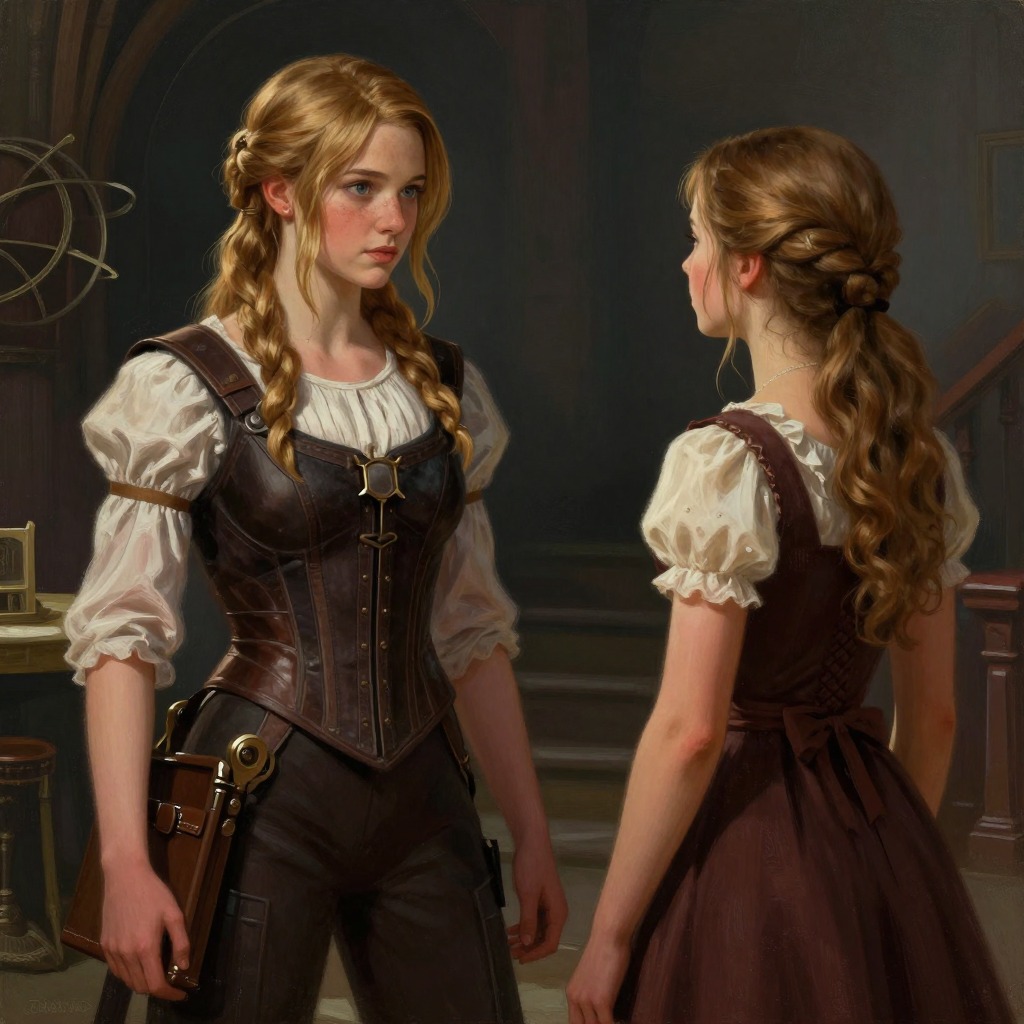
Rue, the twelve-year-old female tribute from District 11, enters the Seventy-fourth Hunger Games as the smallest and most vulnerable competitor, yet her intelligence, agility, and deep knowledge of the natural world make her a surprisingly formidable survivor. She is described as having bright, dark eyes and satiny brown skin, standing tilted up on her toes with her arms slightly extended, as if ready to take wing at the slightest sound—an image that makes it impossible not to think of a bird. Her name, a small yellow flower that grows in the Meadow, echoes the floral name of Katniss's sister Primrose, and the resemblance in stature and demeanor is immediate and haunting. When Rue mounts the stage at her reaping, the wind whistles through the decrepit buildings around her, and no one steps forward to volunteer in her place. She is utterly alone.
Life and Background
Rue is the oldest of six children in District 11, an agricultural district where the Peacekeepers are far less obliging than those in District 12. She reveals that the people of her district are not allowed to eat the crops they grow; those who do are whipped publicly as a deterrent. The mayor is very strict about it. During harvest, everyone works, and school is suspended. Rue's family is so poor that she gives her own rations to her younger siblings, foraging in the meadows to supplement their meager diet. She has learned to survive by climbing high into the trees of the orchards, where she works alongside others who harvest through the night. It is in these trees that she developed her extraordinary agility and her bond with the mockingjays, birds that she uses to carry messages across the orchard. When she sees the flag that signals quitting time, she sings a special four-note run, and the mockingjays spread it around so everyone knows to knock off. Her greatest love, when asked, is music.
Role in the Arena and Alliance with Katniss
Rue's training score of seven is remarkably high for someone so small, and she demonstrates her skills with a slingshot, hitting the target every time. In the arena, she survives the initial bloodbath by fleeing into the woods, and she soon becomes a silent observer of the other tributes. She is the one who points out the tracker jacker nest above Katniss's head when Katniss is treed by the Career pack, a warning that saves Katniss's life. After Katniss recovers from the tracker jacker venom, Rue reveals herself and the two form an alliance. Rue immediately proves her worth by treating Katniss's painful stings with chewed leaves that draw out the poison, a remedy she knows from working in the orchards where tracker jacker nests are common. She also identifies the night-vision glasses in Katniss's pack, explaining that they are used for harvesting in darkness and that a simpleminded boy in her district was killed on the spot for trying to keep a pair. The alliance is built on mutual trust and survival skills: Rue teaches Katniss about edible plants and roots, while Katniss shares her meat and burn medicine. Together, they devise a plan to destroy the Careers' food supply, with Rue setting diversionary fires while Katniss attacks the supply cache.
Death and Aftermath
Rue's plan goes awry when she is caught in a net set by the Career tributes. Katniss hears her scream and runs to her, but arrives just in time to see the boy from District 1 drive a spear into Rue's body. Katniss kills the boy with an arrow, but Rue's wound is fatal. As Rue lies dying in her lap, she whispers, "You blew up the food?" and then, "You have to win." Katniss promises to win for both of them. Rue's last request is for Katniss to sing. Katniss, her throat tight with tears, sings a simple lullaby, a mountain air promising that tomorrow will be more hopeful. As Rue's eyes flutter shut and her chest moves only slightly, the mockingjays take up the song, echoing it through the arena. After Rue's cannon fires, Katniss gathers armfuls of wildflowers and decorates Rue's body, covering the ugly wound, wreathing her face, and weaving her hair with bright colors. This act of defiance—a deliberate display of humanity and mourning in a spectacle designed to dehumanize—is a direct challenge to the Capitol. The people of District 11, in a unprecedented gesture, send Katniss a loaf of bread as a thank-you, and Katniss acknowledges the gift by stepping into the sunlight and saying, "My thanks to the people of District Eleven."
Thematic Significance
Rue's death is the emotional and moral fulcrum of the Games for Katniss. It transforms her from a survivor focused solely on her own and her family's survival into someone who consciously rebels against the Capitol's cruelty. Rue's murder forces Katniss to confront her own fury against the injustice inflicted upon them, and she remembers Peeta's words on the roof about wanting to show the Capitol that he is more than just a piece in their Games. For the first time, Katniss understands what he means. She wants to do something to shame the Capitol, to make them accountable, to show that Rue was more than a piece in their Games. Rue's memory becomes a driving force for Katniss, fueling her determination to win and to make Rue's loss unforgettable. The mockingjays that carry Rue's song become a symbol of resistance and memory, and Katniss's own mockingjay pin, given to her by Madge, takes on a deeper meaning as a connection to Rue and to the natural world that the Capitol cannot control. Rue's death also cements the bond between Katniss and the people of District 11, creating a debt of gratitude that Thresh later acknowledges when he spares Katniss's life at the feast, saying, "Just this one time, I let you go. For the little girl."